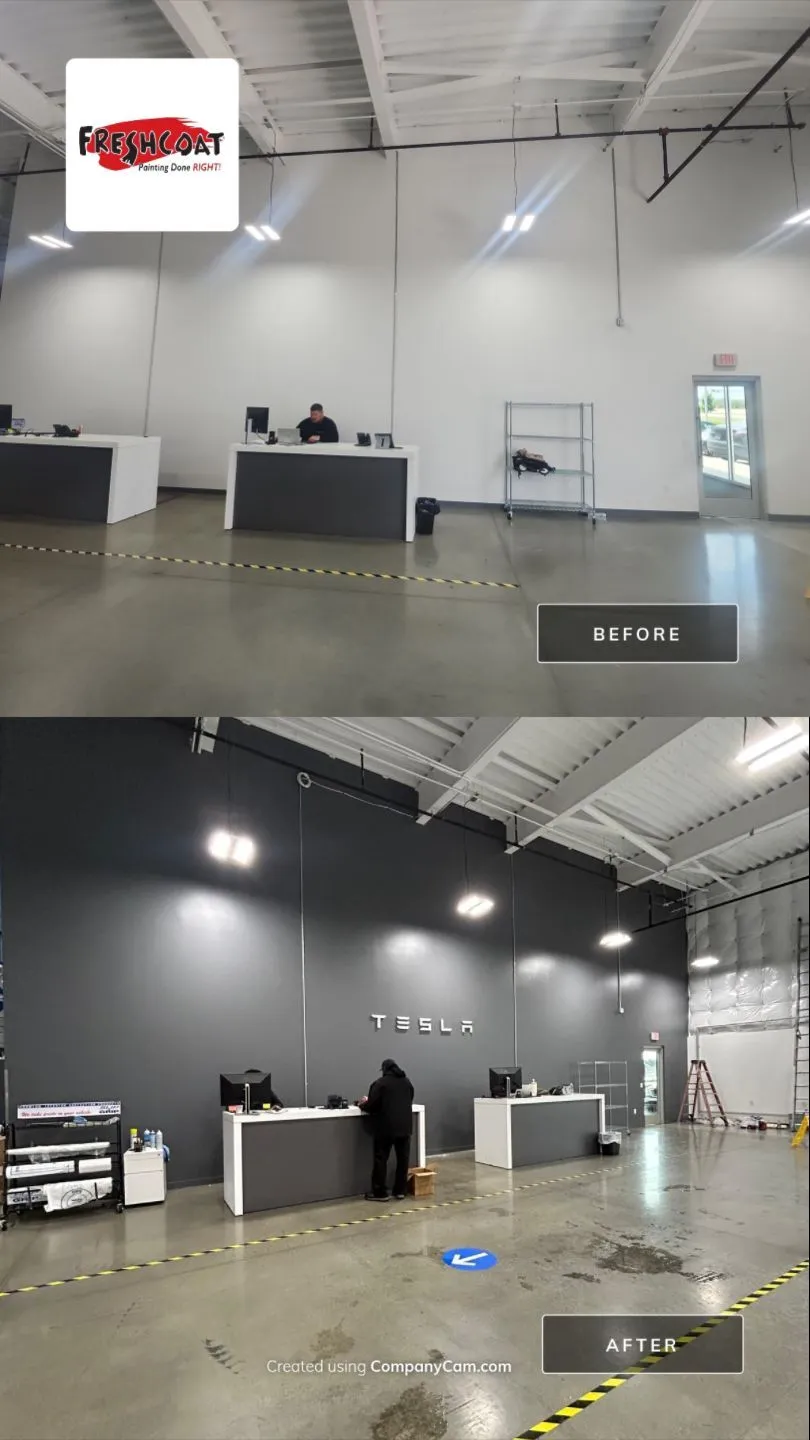
Warehouse Industrial Painting Cypress TX: Durable Coatings
Warehouse and industrial painting in Cypress, TX typically runs $1.50 to $4.00 per square foot for wall and structural surfaces, with epoxy floor systems adding $3.00 to $8.00 per square foot depending on the system and slab condition. A standard 20,000 square foot distribution building with basic wall coating lands in the $30,000–$75,000 range, while a facility that also needs premium floor coatings, structural steel work, and safety striping can run well past $100,000. Those numbers shift based on ceiling height, substrate type, surface condition, and whether the building stays operational during the work.
I've spent 20+ years in this trade, and the gap between a quote that looks cheap on paper and a coating system that actually holds up in a Gulf Coast industrial building is almost always in the prep work and the product spec — not the sticker price. Here's how pricing actually breaks down for warehouse and industrial work in the Cypress market, what drives the cost up or down, and what it takes to keep a facility running while the crews are on site.
What Determines Warehouse & Industrial Painting Costs in Cypress, TX
Square footage alone doesn't tell you much. A 30-foot tilt-wall or metal building wall costs more per square foot to coat than a 10-foot office wall of the same total area, because every hour spent on a lift or scaffold is an hour not spent applying coating. Height and access are the single biggest cost multiplier on most industrial jobs.
Substrate matters just as much. Tilt-up concrete, metal panel, stucco, and structural steel all take different prep and different primers. Rusted steel or metal panels with failing coatings can double the prep time and add $0.50 to $1.00 per square foot before a single coat of finish paint goes on. Surface condition is the other variable — a well-maintained building built in the last 10-15 years, which describes most of the industrial stock going up along the Highway 290 Corridor right now, generally needs less remediation than older stock closer to the Loop.
Labor is the dominant line item on any industrial bid — it typically represents 70% to 85% of total project cost, which is why a crew with real experience working around racking, forklift traffic, and live operations costs more per hour than a standard residential crew, but finishes faster and with fewer callbacks.
Typical Price Ranges for Warehouse & Industrial Projects
These are the ranges we typically see and quote for industrial and warehouse work in the 77429 and 77433 territory, reflecting premium Sherwin-Williams industrial coatings and dedicated, background-checked crews rather than the cheapest materials available:
- Interior wall painting: $1.50–$3.00 per sq ft
- Exterior walls and metal siding: $1.75–$3.50 per sq ft
- Structural steel coating: $2.00–$4.50 per sq ft
- Ceiling and deck painting: $0.75–$1.75 per sq ft
- Safety line striping and floor marking: $0.75–$1.75 per linear ft
- Epoxy floor coatings: $3.00–$8.00 per sq ft, depending on system
Bigger buildings generally cost less per square foot than smaller ones, since large repetitive wall runs cover efficiently and the fixed costs of mobilization, lift rental, and containment get spread over more area. A 100,000 square foot distribution center along the 290 Corridor will almost always price lower per square foot than a 10,000 square foot flex building near Telge Road, even though the total invoice is much bigger.
Epoxy and Specialty Floor Coatings
Warehouse floors in Cypress take a beating — forklift traffic, chemical exposure, and the moisture that comes up through a slab on grade in a humid subtropical climate. A standard two-coat epoxy system runs $5–$7 per square foot installed and is the baseline for most distribution and manufacturing floors.
Heavy-duty three-coat systems with a polyurethane topcoat run $7–$10 per square foot and hold up better under constant equipment traffic and chemical spills. If the slab fails a moisture vapor test — common on older Gulf Coast concrete — expect to add a vapor barrier primer before the epoxy goes down, which adds cost but prevents the coating from blistering or delaminating within a year or two.
Over a 10-15 year horizon, a properly specified epoxy system usually costs less per year than repeatedly repainting a bare or poorly coated floor, because you're not redoing the job every 3-5 years.
Climate Considerations for Cypress Industrial Buildings
Cypress, TX sits in a humid subtropical climate, and that shapes almost every coating decision we make on an industrial job. Average humidity runs 75-80% or higher for much of the year, which slows cure times and means coatings have to be scheduled and formulated to still achieve proper adhesion in sticky conditions — not just applied and hoped for.
UV exposure is the other factor that gets overlooked. The UV index in this part of Texas regularly hits 10 or higher from May through September, and exterior coatings on metal panel and tilt-up walls take a real beating from that sun load year after year. Lower-grade exterior paints chalk and fade fast under that kind of exposure; it's why we spec UV-resistant industrial-grade coatings on exterior work rather than standard commercial paint.
Hurricane season adds a third layer — wind-driven rain and sustained moisture test exterior coatings and sealant joints on metal buildings in particular. None of this means there's a bad time of year to paint a warehouse in Cypress — exterior industrial work gets done year-round here — but it does mean the product spec and prep standard matter more in this climate than in a drier region.
Safety Compliance and Regulatory Standards
Industrial painting on an active facility isn't a scaled-up version of a house. Fall protection requirements apply to any elevated work over 6 feet, respiratory protection rules kick in for spray application and surface prep that generates fine particulates, and scaffolding or lift equipment has to meet inspection standards before crews go up. Buildings constructed before 1978 can still have lead-based coatings under newer paint layers, which changes the prep protocol to containment rather than standard sanding.
Humidity and heat add a layer most generic safety checklists miss: respirators and containment setups have to account for a crew working in 75-80% humidity, and scheduling elevated exterior work around a 10+ UV index in peak summer months is as much a crew-safety call as a coating-performance one. Getting any of this wrong isn't just a compliance issue — OSHA fines for serious violations run well into five figures per infraction, and EPA violations tied to hazardous material mismanagement carry their own steep penalties.
We're fully licensed and insured, I hold membership in the Painting Contractors Association, and Fresh Coat Painters of Cypress is Sherwin-Williams Platinum Certified. That certification means our crews are trained to current product and safety standards, and the work carries a 3-year warranty from us, with Sherwin-Williams backing the coating system for the life of the project after that.
Minimizing Downtime on Active Facilities
Most warehouses and distribution buildings along the 290 Corridor and around Cypress Rosehill can't afford to shut down for two weeks while walls get repainted. The practical answer is sequencing — working in zones, scheduling off-shift or weekend hours for areas with active traffic, and staging materials so racking and inventory don't have to be fully cleared at once. Floor coating work is usually the piece that requires the most real downtime, since epoxy needs clear floor space and cure time before equipment traffic resumes, so that's typically scheduled section by section rather than all at once.
For facilities planning a broader exterior or interior refresh alongside an industrial repaint, our commercial painting cost guide for Cypress businesses breaks down how office and retail-adjacent spaces price out separately from warehouse interiors, which matters for mixed-use industrial parks.
Why Industrial Demand Is Rising in Cypress, TX
The Highway 290 Corridor has become one of the more active industrial submarkets in the Houston region, with new distribution and logistics buildings going up near Beltway 8, FM 1960, and out toward the Grand Parkway as residential growth in communities like Bridgeland, Towne Lake, and Coles Crossing pulls more warehousing and distribution capacity into the area. Vacancy for larger warehouse space in northwest Houston has stayed tight, which means more buildings are being built, bought, and repainted on a faster cycle than in a slower-growth market. For property managers and owners in the 77429 and 77433 ZIP codes, that growth translates into a steady need for maintenance repaints, new-construction coating work, and floor systems that can keep up with heavier use.
Frequently Asked Questions
How much does it cost to paint a warehouse in Cypress, TX?
Most warehouse wall painting in Cypress, TX runs $1.50 to $4.00 per square foot depending on substrate, height, and surface condition, with a typical 20,000 square foot building landing between $30,000 and $75,000 for a standard wall repaint. Adding epoxy flooring, structural steel coating, or safety striping increases the total.
How much does epoxy flooring cost for a warehouse floor?
Epoxy floor coatings for warehouses typically cost $3.00 to $8.00 per square foot installed, with standard two-coat systems at the lower end and heavy-duty three-coat polyurethane topcoat systems at the higher end. A 10,000 square foot warehouse floor with a high-build system generally falls between $50,000 and $80,000.
How long does it take to paint an industrial facility?
Smaller interior repaints can take 3 to 5 days, while larger industrial facilities with multiple coating types and floor work can take 2 to 4 weeks. Timeline depends heavily on building size, number of coating systems involved, and whether work has to happen around active operations.
Can you paint a warehouse without shutting down operations?
Yes, in most cases. Work gets sequenced by zone, with off-hours or weekend scheduling used for high-traffic areas, so the facility can keep functioning while sections are completed one at a time. Floor coating work usually requires the most localized downtime since epoxy needs clear space to cure.
What OSHA regulations apply to industrial painting projects?
Fall protection standards apply to elevated work over 6 feet, respiratory protection is required for spray application and dust-generating prep, and scaffolding or lifts must meet daily inspection standards. Buildings constructed before 1978 may also require lead-safe work practices if original coatings are present under newer paint.
Does my building need lead paint testing before repainting?
If the building was constructed before 1978, testing is worth doing before extensive surface prep begins, since lead-based coatings can be present under later paint layers. Most newer industrial construction in the Cypress area doesn't carry this risk, but it's always worth confirming on older stock.
What's the difference between epoxy and paint for warehouse floors?
Standard floor paint is cheaper upfront but wears down faster under forklift and foot traffic, typically needing reapplication every few years. Epoxy systems cost more initially but resist chemicals, abrasion, and moisture better, generally lasting 10 to 15 years or more before recoating is needed.
Do you offer warranties on commercial and industrial painting work?
Fresh Coat Painters of Cypress backs industrial and commercial work with a 3-year warranty, and because we're Sherwin-Williams Platinum Certified and use their premium product lines, Sherwin-Williams extends its own warranty on the coating system beyond that. We're also fully licensed and insured for commercial and industrial work.
What areas around Cypress do you serve for industrial and warehouse painting?
We work throughout the 77429 and 77433 ZIP codes, including properties along the Highway 290 Corridor, near Telge Road, and around Cypress Rosehill, as well as industrial and commercial buildings serving the broader Cypress, TX area.
For a quote specific to your facility's square footage, substrate, and timeline, you can reach Fresh Coat Painters of Cypress through our Cypress location page, where we can walk through the building specifics and put together a written scope before any work is scheduled.
— Joe Martinta, Owner, Fresh Coat Painters of Cypress